
How Much to Charge for Feet Pics: A Beginner’s Pricing Guide

Our creators regularly tell us that one of the hardest parts of starting to sell feet content online is figuring out pricing.
Most beginners either charge far too little because they are afraid nobody will buy, or they copy expensive creator pricing before building an audience and struggle to get sales. Both mistakes can slow growth.
If you want to successfully sell feet pics, understanding realistic pricing is important from the beginning. The right pricing strategy helps you attract buyers, build repeat customers, and increase your income over time without undervaluing your content.
If you are also wondering how pricing affects total earnings, our FeetFinder income reviews article explains how widely seller income can vary depending on content quality, consistency, niche demand, and audience size.
In this guide, we'll break down realistic feet pic pricing for beginners, what affects prices, how experienced sellers charge differently, and when to increase your rates.
Research note
- What we checked
- We reviewed active seller profiles, pricing menus, custom request listings, and buyer request sections across multiple feet content marketplaces and social selling platforms.
- When it was checked
- June 2026.
- What we found
- As expected, most successful sellers do not rely on expensive single-photo sales. Instead, they increase earnings through custom content, bundles, subscriptions, and repeat buyers.
- Original insight added
- Many beginners underprice custom requests because they treat them like standard photos, even though custom content often requires significantly more time and effort.
What you need to know
01. How Much Do Feet Pics Usually Sell For?
There is no fixed market rate for feet content. Prices vary depending on the seller, content quality, niche, buyer demand, and platform. However, on Fun with Feet, most beginners fall within a fairly predictable range.
Single photos are usually the lowest-priced content because buyers already have a banquet of options to feast upon. Bundles and videos often perform better because they provide more perceived value. Custom content typically sells for the highest prices because buyers are paying for personalization and exclusivity.
Pricing also changes depending on where you sell. Dedicated foot fetish marketplaces usually attract stronger pricing than general social platforms because buyers are actively searching for specific content there.
02. What Affects Feet Pic Pricing?
Two sellers can post similar photos and earn completely different amounts. That's because pricing depends on much more than simply taking a picture and uploading it to your chosen platform.
Content Quality
High quality images consistently support higher pricing. Buyers usually notice:
- Lighting quality
- Image sharpness
- Clean backgrounds
- Creative angles
- Overall presentation
Professional-looking content creates stronger buyer confidence. You do not need expensive camera equipment to start, but poor lighting, blurry photos, or inconsistent presentation can lower perceived value quickly. Simple improvements like natural lighting and cleaner framing can make a major difference.

Foot Appearance
Well groomed feet generally perform better across most platforms. This can include:
- Moisturized skin
- Clean presentation
- Polished nails
- Coordinated styling
- Consistent aesthetic themes
Different buyers prefer different styles, but consistency matters more than trying to appeal to everyone.

Custom Requests
Custom content changes pricing significantly. Examples include:
- Specific poses
- Requested angles
- Personalized messages
- Outfit requests
- Name signs
- Custom videos
Custom requests require more effort and usually cannot be resold easily. That is why they should cost more than standard content. In our experience, this is one clear area beginners actually undercharge.
Platform and Audience
Different platforms attract different buyer behavior. Some marketplaces are highly price-sensitive, while others support premium pricing because buyers expect personalized experiences or higher quality content. Your audience also matters — a loyal niche audience is often willing to pay more than casual one-time buyers.
03. Beginner Pricing vs Experienced Seller Pricing
Your pricing should evolve as your profile grows. We see many new sellers make the mistake of trying to charge premium prices before building trust or reputation.
Beginner Pricing
At the beginning, your goal should be attracting buyers and learning what content performs best. Most beginners have lower introductory pricing, smaller bundles, and simple custom menus. Typical beginner pricing:
- Single photos: $5–$10
- Bundles: $15–$25
- Basic videos: $25–$50
Starting lower does not mean staying there forever. It simply helps create momentum.
Intermediate Pricing
Once you gain repeat buyers, profile engagement, stronger quality content and positive reviews, you can gradually increase prices. Intermediate sellers often begin offering:
- Themed bundles
- Niche content
- Subscriptions
- Premium custom requests
This is where many creators begin earning more consistently.
Premium Pricing
Experienced sellers can charge significantly more because buyers trust the quality of the experience. Premium pricing usually comes from:
- Recognizable branding
- High production quality
- Exclusivity
- Loyal customers
- Strong niche positioning
At this stage, buyers are often paying for reliability and personalization as much as the content itself.
04. Pricing Different Types of Content
Different content formats support different pricing structures. Understanding these differences helps prevent underpricing.
Single Feet Pictures
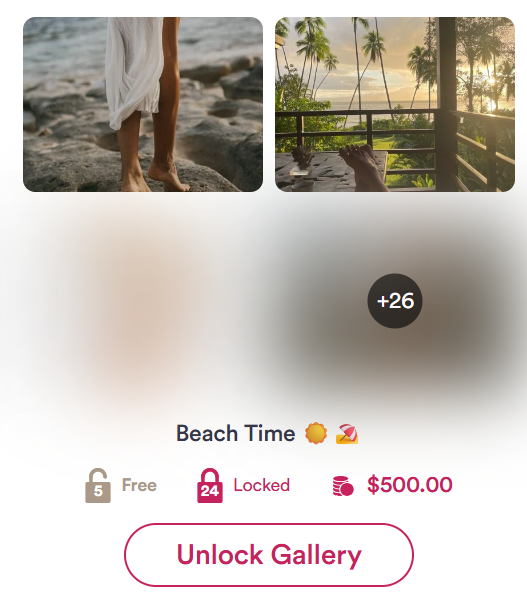
Single images are usually the entry-level product for most buyers. Good beginner pricing is around $5–$10. Higher pricing may work if the quality is exceptional, the content is niche, or the seller already has demand.
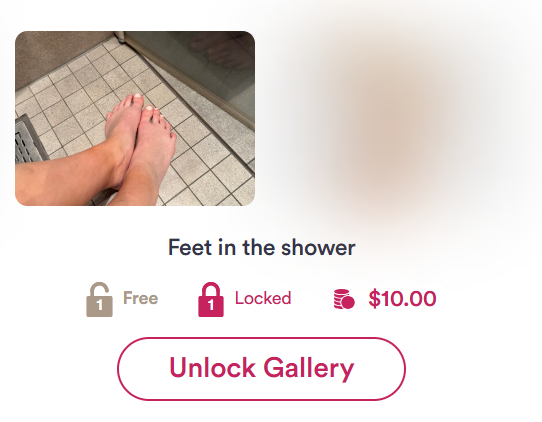
Photo Bundles
Bundles increase perceived value and often convert better than single images. Examples:
- Seasonal themes
- Outdoor sets
- Pedicure collections
- Close-up sets
Typical beginner pricing is $15–$40. Bundles also help increase average order value.
Custom Feet Content
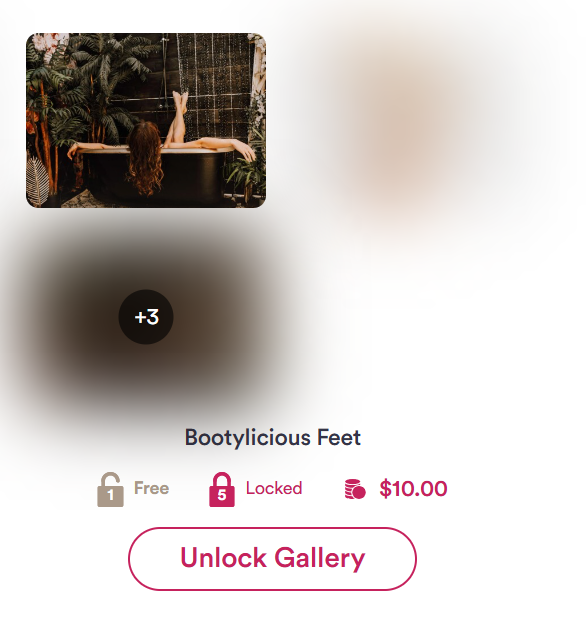
Custom content should always cost more because it requires additional effort. Pricing depends on complexity, exclusivity, production time, and personalization. Reasonable beginner pricing is $20–$75+.
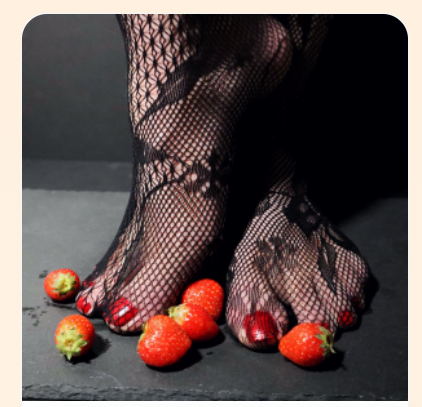
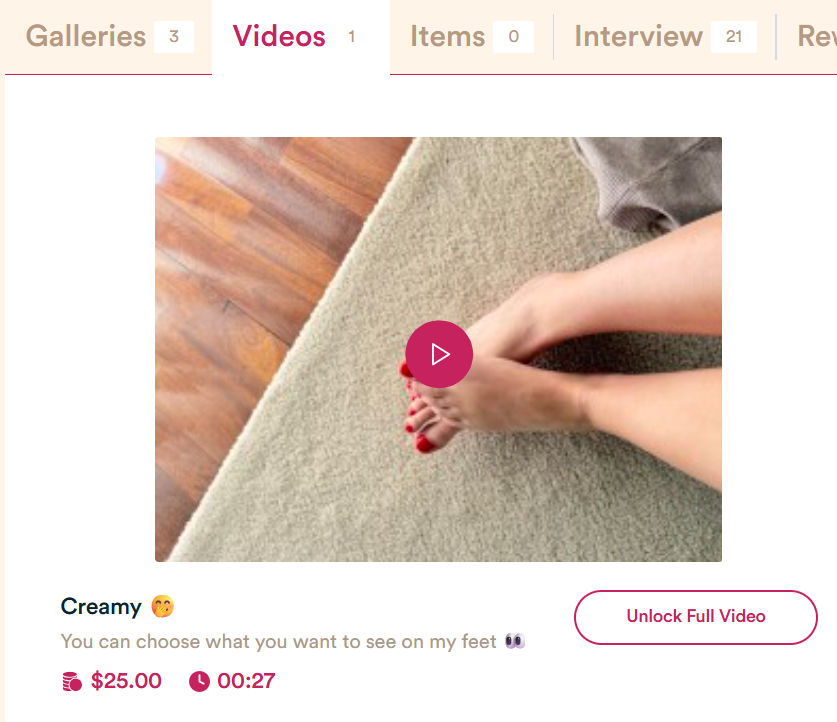
Feet Videos
Videos often command much higher pricing than photos. Factors affecting pricing include length, editing, audio, personalization, and exclusivity. Most beginner sellers charge $25–$100, and experienced creators often charge substantially more for custom videos.
Subscription Packages
Subscriptions create recurring income and help build long-term buyers. Subscription perks can include:
- Weekly uploads
- Exclusive galleries
- Discounted customs
- Direct messaging
05. Should You Charge More for Custom Requests?
Yes. Custom requests are one of the most commonly underpriced areas for our beginner sellers on Fun With Feet. Many beginners charge almost the same amount for custom work as standard content, even though custom requests require:
- Additional communication
- Planning
- Setup
- Editing
- Delivery coordination
Some buyers also request exclusivity, meaning the content cannot be resold later. Exclusive content should always cost more because it removes future earning potential.
When pricing should increase
Custom content is often where experienced creators earn the highest margins because buyers value personalization heavily.
06. Common Pricing Mistakes
Pricing mistakes can hurt growth even if your content quality is strong.
Very low pricing can attract difficult buyers, reduce perceived value, and make future increases harder. Cheap pricing also increases workload because sellers often need far more sales to earn meaningful income.
Another creator's pricing may reflect years of audience building, strong branding, niche demand, and repeat customers. Copying premium pricing too early rarely works.
As your profile improves, your pricing should improve too. Many sellers stay stuck at beginner rates long after demand increases.
Buyer behavior often signals whether pricing is appropriate. If buyers purchase immediately and frequently request customs, there's a good chance you may be undercharging.
Random pricing confuses buyers and looks unprofessional. Clear pricing menus help build trust and reduce unnecessary negotiation.
07. How to Increase Your Prices Over Time
We've watched our most successful sellers gradually raise prices as their profile grows, which is absolutely the right strategy. Pricing should evolve alongside:
- Content quality
- Audience trust
- Repeat business
- Niche authority
Build a Professional Reputation
Creators who post consistently, communicate professionally, and maintain quality standards usually support higher pricing over time.

Focus on Repeat Buyers
Repeat buyers are often more valuable than constantly finding new customers. Loyal buyers:
- Purchase more often
- Request customs regularly
- Trust your quality
Develop a Signature Style
A recognizable style helps sellers stand out. Examples include:
- Luxury aesthetics
- Fitness themes
- Outdoor content
- Artistic close-ups
- Seasonal branding
Distinct branding often supports premium pricing.

Serve a Niche Audience
Niche buyers may be a tighter market, but once they find you, they can become regular buyers who are frequently willing to pay more for specialized content. When we say niche, it could even be something as simple as your profession. Are you a teacher or nurse, for example? These can bring something unique to your images if you really lean into it. Generic content, on the other hand, faces much heavier competition.
Increase Gradually
Most successful sellers increase pricing slowly rather than doubling rates overnight. Common approaches include:
- Raising custom pricing first
- Adding premium tiers
- Charging extra for exclusivity
- Increasing bundle prices gradually
08. Is There an Average Feet Pic Price?

Not really. There is no universal price because feet content pricing depends on content quality, customization, platform type, audience demand, niche appeal, and creator reputation. Some creators struggle to sell low-cost photos, while others successfully charge hundreds for exclusive custom content.
The most important thing beginners should understand is that pricing evolves over time. Your rates should change as your content improves, your audience grows, demand increases, and repeat buyers develop.
Most successful creators treat pricing as part of a long-term business strategy rather than randomly guessing numbers. Starting with realistic beginner pricing, maintaining consistent quality, and building repeat buyers is usually far more effective than chasing unrealistic viral income claims. Income is never guaranteed, and earnings vary heavily between creators, platforms, consistency levels, and niche demand.
09. FAQs
What is a good price for beginner feet pics?
Most beginners start around $5–$10 per photo depending on content quality and platform demand.
How much should I charge for custom feet photos?
Custom photos often start around $20–$75 and increase based on complexity and exclusivity.
How much do feet videos sell for?
Feet videos commonly sell for $25–$100+ depending on customization and length.
Can male feet pics sell for the same price?
Yes. Buyer demand, content quality, and niche appeal matter more than gender alone.
When should I raise my prices?
Most sellers raise prices after gaining repeat buyers, improving content quality, or seeing stronger demand.
What type of feet content sells for the most?
Custom videos and exclusive personalized content often command the highest pricing.
How do I know if I'm undercharging?
You may be undercharging if buyers consistently purchase quickly, request customs frequently, or demand exceeds your available time.
Final thoughts
Start with realistic beginner pricing, keep your quality consistent, and let your rates grow alongside your reputation. The sellers who earn the most rarely got there by guessing high on day one — they built repeat buyers first, then raised prices gradually.
Treat pricing as a long-term business strategy, charge properly for custom and exclusive work, and raise your rates as demand grows.
AASECT certified sex therapist · American Board of Sexology Board approved sexologist
Dr. Candice Cooper-Lovett is a AASECT certified sex therapist and American Board of Sexology Board approved sexologist. She is also a consultant, writer, and AAMFT Clinical Fellow & Approved Supervisor and Sex Therapy supervisor in training.