

Have you ever looked down at your feet and wondered what type you have (We know we have at Fun with Feet)? Or noticed that your toes are arranged differently than your friend’s? Feet come in surprisingly varied shapes and structures, and understanding these differences has become increasingly popular for reasons ranging from footwear selection to foot fetishes.
The classification of foot types typically focuses on toe length patterns, arch shapes, and overall foot width. While these categories might seem like mere trivia, they can actually influence everything from shoe comfort to aesthetic appearance. Some people have what’s called an Egyptian foot with a descending toe pattern, while others have a Greek foot with a prominently longer second toe. Each type has its own distinctive characteristics and visual appeal.
In this comprehensive guide, we’ll explore the most common types of feet based on toe length, examine other ways feet are categorized, and address practical questions about how foot type affects daily life. Whether you’re curious about your own foot classification, interested in foot aesthetics for photography purposes, or simply fascinated by human variation, this article will give you a thorough understanding of foot types and what makes each one unique.
TL;DR:
- Feet are primarily classified by toe length patterns, with five main types: Egyptian, Greek, Roman, Germanic, and Celtic
- Egyptian feet (descending toe length) are most common, though distribution varies by population and region
- Feet can also be categorized by arch shape (high, normal, flat) and width (narrow, average, wide)
- Foot type affects both visual appearance and practical considerations like shoe fit and comfort
- Interest in foot types stems from self-identification, footwear needs, aesthetic appreciation, and online communities
- Foot types are structural classifications, distinct from medical conditions or foot problems
What Are the Different Types of Feet?

When people talk about “types of feet,” they’re usually referring to the natural variations in foot structure that create different shapes and appearances. These classifications aren’t medical diagnoses-they’re simply descriptive categories that help identify common patterns in how feet are formed.
Foot types are typically grouped by three main characteristics. Toe length receives the most attention, as the relative length of your toes creates distinctive patterns that are immediately visible and easy to classify. The arrangement of your five toes-which is longest, how they compare to each other, and their overall pattern-determines your primary foot type classification.
Shape refers to the overall contour and silhouette of your foot when viewed from above or the side. This includes factors like how tapered your foot is from heel to toes, the curve of your instep, and the general proportions that make your feet uniquely yours.
Structure encompasses the underlying architecture of your foot, including arch height, bone alignment, and width. These structural elements affect both how your foot looks and how it functions during movement and weight-bearing activities.
Understanding these classifications helps explain why some shoes feel perfect while others pinch, why certain foot photography angles work better for different people, and why feet can look so varied despite following recognizable patterns. The categorization system provides a common language for discussing foot characteristics across medical, fashion, and aesthetic contexts.
The Most Common Types of Feet Based on Toe Length

Toe length patterns form the foundation of foot type classification. While individual variation exists within each category, most feet fall into one of five recognized types based on how the toes compare to one another.
Egyptian Foot
The Egyptian foot is characterized by a descending toe pattern where the big toe is the longest, and each subsequent toe is progressively shorter. This creates a smooth, angled line from the big toe down to the pinky toe. When you look at an Egyptian foot from above, the toes form a neat diagonal slope.
This type is considered the most common foot shape globally, though exact percentages vary by population. The name comes from ancient Egyptian art and sculpture, where this toe pattern appears frequently in depictions of feet. Some researchers estimate that 50-70% of people have Egyptian feet, making it the statistical norm in many regions.
Visually and aesthetically, Egyptian feet present a harmonious, balanced appearance. The gradual descent of toe lengths creates a proportionate look that many people find pleasing. For foot photography purposes, Egyptian feet often photograph well from straight-on angles that showcase the clean diagonal line of the toes. This foot type typically fits conventional shoe designs most easily since footwear is generally manufactured with this toe pattern in mind.
Greek Foot
The Greek foot stands out for its distinctive feature: the second toe is longer than the big toe. This creates a unique silhouette where the second toe extends beyond the others, sometimes noticeably so. The remaining toes typically descend in length, but the prominent second toe is the defining characteristic.
The cultural naming origin traces back to ancient Greek statues and artwork, particularly classical sculptures where this foot type appears frequently. The Statue of Liberty famously has Greek feet, as do many representations of Greek gods and heroes. Some anthropologists theorize this foot type was common in ancient Greek populations, though modern distribution doesn’t necessarily reflect ancient patterns.
The distinctive appearance of Greek feet creates visual interest and can be particularly striking in foot photography. The extended second toe draws the eye and creates dynamic lines in images. However, this foot type can sometimes create challenges with shoe fit, as many shoes assume the big toe is longest. People with Greek feet often need to size up slightly or choose shoes with roomier toe boxes to accommodate their longer second toe comfortably.
Roman Foot
Roman feet are characterized by the first three toes being approximately the same length, creating a squarer appearance across the front of the foot. Unlike the angled Egyptian foot or the peaked Greek foot, Roman feet have a relatively flat, even line across the top when viewed from the front.
Structurally, this toe arrangement creates a wider forefoot and a foot shape that’s more rectangular than triangular. The uniform toe length distributes weight differently than other foot types and can influence gait patterns slightly. Some people with Roman feet find they have particularly stable balance due to this even weight distribution across multiple toes.
How it differs from other types is immediately visible-there’s no prominent peak or smooth diagonal, just a relatively level line across the first three toes before the fourth and fifth toes descend. This creates a distinct visual signature. Roman feet are less common than Egyptian feet but more prevalent than some other types, appearing in roughly 10-25% of populations depending on regional genetics.
Germanic Foot
The Germanic foot features the first two toes (big toe and second toe) being very similar in length, with the remaining toes descending in a gradual slope. This creates a slightly different profile than the Greek foot-rather than the second toe clearly exceeding the first, they’re nearly equal, creating a plateau effect.
This gradual slope from the first two toes down to the pinky creates a subtly different aesthetic than other foot types. The near-equal length of the first two toes can make the foot appear slightly wider at the front, and this type often shares some visual characteristics with both Egyptian and Greek feet depending on the exact proportions.
Germanic feet represent a less common classification and aren’t recognized in all foot typing systems. Some classification schemes group this type with Greek feet or consider it a variation of Egyptian feet. The term itself is less universally used than Egyptian, Greek, or Roman, reflecting its position as a more nuanced or intermediate category. When identified separately, Germanic feet appear in approximately 5-15% of people, though exact statistics vary widely depending on the source and population studied.
Celtic Foot
Celtic feet present perhaps the most unusual toe arrangement: alternating lengths that don’t follow a smooth progression. Typically, the second toe is longest, followed by the big toe, then the third toe, creating an irregular pattern that stands out visually. Some descriptions note the fourth toe might be relatively long compared to other foot types as well.
This unique structure creates a distinctive appearance that’s immediately recognizable once you know what to look for. The non-linear toe pattern can create interesting visual dynamics in photography and makes Celtic feet particularly memorable. The irregular spacing and varied heights of the toes give this foot type character and individuality.
Why it stands out goes beyond just rarity-the alternating pattern breaks the expected progression we see in other foot types. Our eyes naturally look for patterns and order, so the varied lengths of Celtic feet create visual interest through their unpredictability. This foot type is considered the rarest of the five major classifications, appearing in roughly 5-10% of people, with higher prevalence in populations with Celtic ancestry. The name reflects this genetic association, though like all foot types, Celtic feet can appear in any population.
Other Ways Feet Are Commonly Categorised
While toe length gets the most attention in foot classification, other structural characteristics create important categories that affect both function and appearance.
Feet Types Based on Arch Shape
Arch shape significantly influences how feet look, feel, and function. High arches create a pronounced curve along the inside of the foot, with a notable gap between the arch and the ground when standing. People with high arches often have feet that look more curved and elegant in profile, though this foot type can sometimes lead to pressure concentration on the heel and ball of the foot.
Normal arches present a moderate curve that allows the foot to flex naturally during walking while maintaining structural support. This arch height is considered ideal from a biomechanical perspective, distributing weight evenly and absorbing shock effectively. Normal arches create a balanced aesthetic appearance without extreme curves.
Flat feet have minimal arch, with the entire sole nearly touching the ground when standing. Sometimes called fallen arches, this foot type creates a broader contact area and can affect gait patterns. Flat feet often appear wider when viewed from above and can influence shoe choice, as people with flat feet may need more structured footwear for comfort and support.
Feet Types Based on Width
Width classification addresses another important dimension of foot variation. Narrow feet have a slender profile with less space across the ball of the foot. People with narrow feet often struggle to find shoes that don’t slip at the heel or gap at the sides. In foot photography, narrow feet can create elegant, refined lines.
Average width feet fit standard shoe sizing without modifications. Most footwear is designed for average width, making this category the easiest to shop for. Average width creates a proportionate appearance that works well across different styles and aesthetics.
Wide feet have greater breadth across the forefoot and sometimes the midfoot as well. This width can be genetic or develop over time from factors like weight gain or age. Wide feet require intentional shoe selection to avoid pinching and discomfort, and many brands now offer wide-width options. In terms of appearance, wide feet can look more substantial and grounded, with a stable visual presence.
Which Type of Foot Is the Most Common?
Determining the single most common foot type isn’t as straightforward as it might seem. Regional and genetic variation means that foot type distribution differs significantly across populations. In many European and North American populations, Egyptian feet dominate, appearing in 50-70% of individuals. However, Greek feet show higher prevalence in Mediterranean regions, while other foot types appear more frequently in specific ethnic groups.
Genetic factors play a substantial role in determining foot type. Like eye color or hair texture, toe length patterns run in families and reflect ancestry. Studies examining different populations have found varying foot type distributions, suggesting that geography and heritage influence which types predominate in different groups.
Avoiding absolute claims is important because reliable, comprehensive global data on foot type distribution doesn’t exist. Most statistics come from limited studies on specific populations rather than worldwide surveys. What we can say confidently is that Egyptian feet appear most common in the populations that have been studied, but declaring it universally dominant would oversimplify a complex picture.
The takeaway for practical purposes is that all foot types are normal and natural variations. Whether you have the statistically common Egyptian foot or the rarer Celtic foot, your foot type is simply one expression of human diversity. Understanding relative commonality can satisfy curiosity, but it doesn’t make any type inherently better or more desirable than another.
Do Foot Types Affect Appearance or Function?
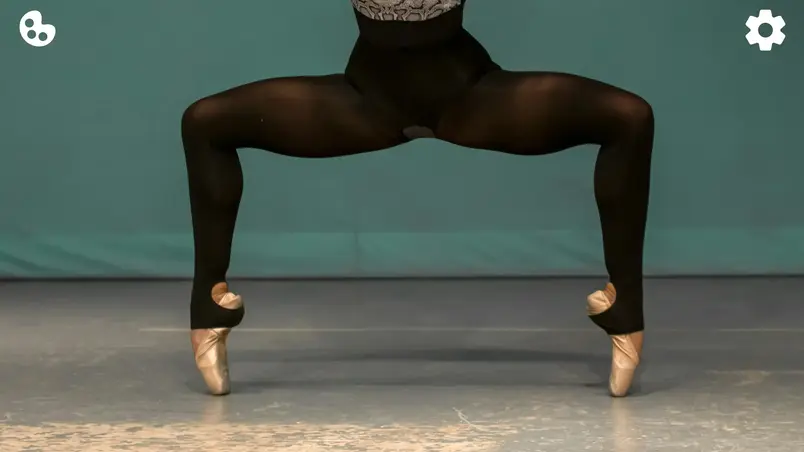
The short answer is yes-foot type influences both how feet look and how they perform, though the extent of these effects varies by individual and context.
Visual differences are the most obvious impact of foot type. The toe arrangement creates distinct silhouettes that affect how feet photograph, how they look in open-toed shoes, and their overall aesthetic character. Greek feet with their extended second toe create a different visual line than Roman feet with their squared-off appearance. These differences can influence everything from sandal selection to how feet are positioned for photography.
Comfort and footwear considerations represent the most practical impact of foot type. Egyptian feet generally fit conventional shoe designs most easily since most footwear assumes this toe pattern. Greek feet may require sizing up or choosing shoes with deeper toe boxes to accommodate the longer second toe. Roman feet often need wider toe boxes due to their broader forefoot. Understanding your foot type helps predict which shoe styles will be most comfortable.
The everyday impact versus myths needs clarification. While foot type does affect shoe fit and appearance, it doesn’t determine athletic ability, intelligence, personality traits, or destiny-despite various pseudoscientific claims you might encounter online. Foot type is simply a structural variation. It may influence which running shoe works best for you, but it won’t dictate whether you should be a runner in the first place.
Some people do experience functional differences based on foot type. For instance, people with Greek feet might notice more wear on the second toe of their shoes, or those with high arches might find they need more cushioned footwear. However, these are tendencies rather than absolute rules, and individual variation within each foot type often exceeds the differences between types.
Why People Are Interested in Different Types of Feet

The growing fascination with foot types stems from several converging factors that reflect both practical needs and cultural trends.
Curiosity and self-identification drive much of the interest. People naturally enjoy learning about themselves and finding categories they fit into. Discovering you have Greek feet or Celtic feet provides a small piece of self-knowledge, similar to learning your blood type or ancestry composition. The classification system gives people a framework for understanding their own bodies and comparing themselves to others.
Fashion and footwear considerations make foot type information genuinely useful. Understanding that you have a Greek foot explains why certain shoe styles always feel tight, while knowing you have wide feet helps you shop more efficiently. The practical applications of foot type knowledge extend to choosing sandals that flatter your specific toe arrangement or understanding why particular styles work better for your feet than others.
Aesthetic appreciation has grown alongside the broader interest in feet content online. People who create or consume feet photography pay attention to different foot types because they create varied visual effects. Egyptian feet might photograph beautifully from certain angles, while Celtic feet create interesting visual complexity. This aesthetic awareness has made foot type classification relevant beyond medical or footwear contexts.
Online discussions and communities have amplified interest in foot types. Social media platforms, foot photography marketplaces, and forums dedicated to feet content all feature conversations about foot type classifications. These discussions normalize talking about feet characteristics and create spaces where people can explore their curiosity without judgment. The community aspect turns what might be solitary curiosity into shared exploration and learning.
For content creators on platforms like FeetFinder, understanding foot types can help with marketing and presentation. Knowing your foot type allows you to highlight your unique characteristics and connect with buyers who appreciate those specific features. Different foot types attract different audiences, and savvy creators use this knowledge to position their content effectively.
Types of Feet vs Foot Conditions

It’s crucial to distinguish between natural structural types and medical conditions. This clarification prevents confusion and ensures people don’t pathologize normal variation or dismiss actual health concerns.
Structural types are natural variations in foot shape and toe arrangement. Having Greek feet, flat arches, or wide feet are simply different ways feet can be formed. These aren’t problems that need fixing-they’re normal human diversity. Your foot type is determined by genetics and skeletal structure, much like your height or bone structure elsewhere in your body.
Medical conditions, on the other hand, involve dysfunction, pain, or abnormal development that may require treatment. Bunions, hammertoes, plantar fasciitis, and fungal infections are conditions, not foot types. They represent problems affecting the foot rather than natural variations in foot shape.
Examples of what is not a “foot type” include conditions like bunions (bony bumps at the base of the big toe joint), hammertoes (toes that bend abnormally at the middle joint), claw toes (severe contractures affecting multiple toe joints), and Morton’s neuroma (painful nerve thickening between toes). These conditions can develop in any foot type and represent pathology rather than natural variation.
The distinction matters because it affects how we think about our feet. If you have Greek feet, you don’t need treatment-you might just need different shoes. If you have bunions, you may benefit from medical intervention. Confusing types with conditions can lead to unnecessary worry about normal feet or, conversely, to ignoring legitimate problems.
Some conditions can be more common in certain foot types. For instance, bunions sometimes develop more readily in people with certain toe arrangements or foot widths. However, having a particular foot type doesn’t guarantee you’ll develop associated conditions-it simply represents a minor risk factor among many others.
Frequently Asked Questions About Types of Feet
What are the main types of feet?
The main foot types are classified primarily by toe length patterns: Egyptian (descending toe length from big toe to pinky), Greek (second toe longest), Roman (first three toes approximately equal), Germanic (first two toes similar length), and Celtic (alternating toe lengths). Feet are also categorized by arch shape-high, normal, or flat-and by width-narrow, average, or wide. These classifications describe natural structural variations rather than medical conditions. Most people have Egyptian feet, making it the most common type in many populations.
Which foot type is the rarest?
Celtic feet are generally considered the rarest of the five main toe-length classifications, appearing in approximately 5-10% of people. The alternating toe length pattern that characterizes Celtic feet occurs less frequently than the more common Egyptian or Greek patterns. However, “rarest” is relative-all foot types appear across all populations, just in different proportions. Additionally, rarity depends on which classification system you’re using and which populations have been studied. Germanic feet also rank among the less common types in most classification schemes, though some systems don’t recognize it as a separate category.
Can foot type change over time?
Your basic skeletal foot structure and toe length pattern don’t change-if you’re born with Greek feet, you’ll always have Greek feet. However, age, footwear, and lifestyle factors can alter some foot characteristics. Arch height can decrease over time, potentially changing from high to normal or normal to flat, especially with aging, weight gain, or pregnancy. Foot width often increases with age due to ligament relaxation and changes in fat pad distribution. Wearing poorly fitting shoes, particularly in childhood when bones are still developing, can influence foot shape within the constraints of your genetic structure. Injuries, medical conditions, and surgical interventions can also modify foot appearance and function.
Do foot types matter?
Foot types matter for practical and aesthetic purposes but don’t determine overall health or capability. Practically, knowing your foot type helps with shoe selection and understanding why certain styles fit better than others. It can explain comfort issues and guide purchasing decisions. Aesthetically, foot type influences appearance in sandals, barefoot, or in foot photography, making it relevant for people interested in foot aesthetics or creating foot content. However, foot type doesn’t affect your athletic potential, health status, or any aspect of your life beyond these specific areas. All foot types can be healthy and functional with appropriate footwear and care. The relevance is contextual rather than absolute.
Final Thoughts
Understanding the different types of feet provides insight into the natural diversity of human anatomy. Whether you have the common Egyptian foot with its descending toe pattern, the distinctive Greek foot with its extended second toe, or any other variation, your foot type is simply one aspect of what makes you unique.
The practical applications of knowing your foot type extend beyond mere curiosity. This knowledge helps explain shoe fit challenges, guides footwear purchases, and can even inform how you present your feet aesthetically if you’re interested in foot photography or content creation. The intersection of function and appearance makes foot type classification both useful and interesting.
For those creating foot content, platforms like Fun With Feet provide opportunities to monetize your unique foot characteristics, whatever type you have. Different buyers appreciate different foot types, creating markets for all variations.
The growing interest in foot types reflects broader trends toward self-knowledge, body positivity, and appreciation for natural variation. Your feet carry you through life, and understanding their unique characteristics helps you care for them better and appreciate them more fully.