
Does FeetFinder Show Up on a Background Check?

AASECT certified sex therapist & Board approved sexologist
One of the biggest concerns people have before creating a FeetFinder account is whether it could affect future employment, which is completely understandable.
Many people researching how to sell feet pics are less worried about the photos themselves and more concerned about privacy, discoverability, and whether an employer could somehow uncover their account during a background check.
It's also common to question the legal side of things, so before creating an account, it's worth reading our guide on Is Selling Feet Pics Illegal? to understand the laws that may apply where you live.
To make this guide as accurate as possible, we reviewed the FeetFinder signup process, account setup flow, public profile visibility, and verification system in July 2026. We also compared how public creator profiles appear online with what employers typically see during standard employment screening.
What we found should be reassuring for most users: in most cases, standard employment background checks do not include private FeetFinder accounts. In practice, the likelihood of your FeetFinder profile being discovered depends largely on how you, as the creator, choose to manage your content and online presence.
This guide explains:
- -what a background check normally includes
- -whether a FeetFinder account can appear during hiring
- -how discoverable FeetFinder profiles actually are
- -what privacy protections the platform offers
- -practical ways to stay anonymous
Quick Verdict:
No. Standard employment background checks do not typically show private FeetFinder accounts. The greater privacy concern is whether your profile can be found through public internet searches because it's linked to your real identity.
01. What Is a Background Check?
A background check is a screening process employers (as well as other agencies and public bodies) use to verify information about a person. In this case, our article focuses on employment background checks only.
The exact checks vary depending on the employer, industry, and role. Some companies only perform basic identity verification, while others use more detailed screening services, particularly employers associated with high-profile global companies where unwanted information about an employee could be incredibly damaging, or security and governmental offices where the integrity of the role being applied for could be compromised.
What Employers Usually Check
Most employment background checks focus on practical hiring information rather than private online activity, and these fall into four general categories:
Criminal Records
Employers may review criminal convictions, pending charges, or court records depending on local laws and the role being filled.
Employment History
Companies often verify previous employers, dates of employment, job titles and references.
Education
Degrees, certifications, and qualifications may also be checked.
Identity Verification
Screening companies usually confirm identity using government issued documents, legal name and address history.
The purpose is generally to verify that the information provided during the interview process is accurate and legitimate.
What Background Checks Normally Don't Include
A standard employment background check does not usually include:
- -private subscription platforms
- -personal websites behind login access
- -direct access to creator accounts
- -private messaging activity
- -hidden social media profiles
02. Does FeetFinder Appear on a Background Check?
The short answer
Usually, no.
A standard employment background check does not normally even search for, let alone, list a person’s FeetFinder account.
FeetFinder is a private subscription platform rather than a criminal database, employment registry, or public government record system.
Simply creating and maintaining an active account does not automatically affect employment screening results.
Why FeetFinder Is Different To Publicly Searchable Directories.
FeetFinder operates more like a closed creator marketplace than a publicly searchable directory. Unlike LinkedIn profiles or public social accounts, FeetFinder profiles were never designed to function as professional, public identity pages tied to employment history.
With FeetFinder, users create private accounts requiring login access, and identity verification is handled securely and internally during onboarding, rather than publicly displayed in full.
This means a standard manual background check (where a company may create their own Feetfinder account in order to search for data relating to a potential employee) generally cannot see:
Situations Where Privacy Could Be Affected
Although FeetFinder itself does not normally appear on a background check (because it is not searched for specifically), discoverability can still happen.
The biggest risks usually come from:
- -using your real name publicly
- -reusing usernames from personal accounts
- -linking personal social media
- -promoting your profile publicly
- -sharing identifiable personal details
03. Can Employers Find Your FeetFinder Account?
Background checks and internet searches are not the same thing, but if you have not managed or protected your online privacy footprint sufficiently, your identity could be uncovered with very little effort. And that is what you really should be mindful of when you create your FeetFinder account.
If You Use Your Real Name
This one may seem obvious, but when we reviewed the platform, we saw profiles where creators and buyers were not only using their first names, but also their surnames too, which is incredibly risky and dramatically increases discoverability.
If your creator identity matches:
- -your personal social accounts
- -your existing usernames
- -your public bios
- -your personal email username
then someone searching online may be able to connect your identity to your FeetFinder account, very quickly.
If You Promote Your Profile Publicly
Public promotion creates the biggest privacy risk.
For example, if you:
- -advertise your profile on TikTok
- -post links on Reddit
- -promote content on X or Instagram
- -use searchable hashtags
then your content becomes easier to find through simple web searches.
If Someone Searches Online
We tested several publicly promoted creator profiles and quickly linked them across a number of platforms. We understand the intent by the creator is of course to become easier to discover for potential buyers, but with careful branding from the start, low-profile anonymous accounts using separate usernames and creator emails are equally discoverable, but with lower identity risk.
The Growing Role of AI in Online Screening
While standard background checks still focus mainly on criminal records, identity verification, and employment history, some companies now use AI-assisted screening tools to review publicly available online content and social media activity.
This does not give employers access to private FeetFinder account data or hidden platform information. However, publicly connected usernames, creator profiles, and linked social accounts may become easier and faster to discover as online screening technology becomes more advanced.
That’s why keeping creator identities separate from personal accounts matters more than ever for people concerned about long-term privacy.
04. Does FeetFinder Protect Your Personal Information?
FeetFinder includes several privacy and security features designed to protect user data, although no platform can guarantee complete anonymity online.
Account Verification
FeetFinder requires identity verification of sellers during signup to confirm age and reduce fraud. Verification documents are handled privately and securely during onboarding rather than being publicly visible on profile pages.
Payment and Identity Information
Like most creator platforms, FeetFinder collects certain personal details for:
- -payout processing
- -tax compliance
- -identity verification
- -account security
This may include:
- -legal identification
- -payout information
- -billing details
- -email addresses
That information is generally stored securely and privately rather than publicly displayed.
What Other Users Can See
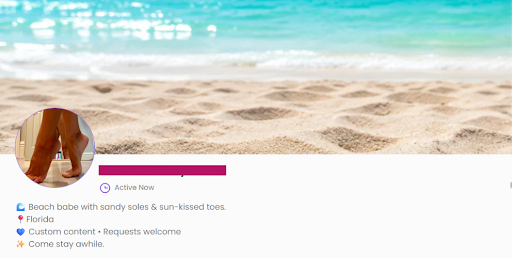
Public profile visibility is limited mostly to the information users choose to share, such as:
- -username
- -bio
- -profile photos
- -pricing
- -content previews
05. How to Stay Anonymous on FeetFinder
If privacy is important to you, there are several practical ways to reduce the chances of your identity being discovered.
Use a Separate Username
Do not reuse:
Don't Share Personal Info
Avoid disclosing:
Avoid Linking Personal Social Media
Many discoverability issues happen because creators connect personal and creator identities together.
A safer option is using:
Keep Your Identity Separate
The more separation you maintain, the harder it becomes for employers or other people to identify your account.
Additional privacy steps include:
06. Could Selling Feet Pics Affect Your Job?
Potentially, but not simply because you have a FeetFinder account. The impact depends far more on visibility, workplace policies, and industry expectations. For example, some employers care very little about legal adult creator activity. Others may have stricter workplace conduct or reputation policies.There is no universal rule across every company.
Consider Your Industry
Certain industries tend to involve higher reputational sensitivity, including:
- -education
- -healthcare
- -government
- -law
- -public-facing corporate roles
Someone working freelance or remotely may face very different considerations than someone in a highly regulated profession.
Think About Your Personal Comfort Level
Before creating content, consider:
- -whether you are comfortable with possible discovery
- -how publicly you plan to promote your account
- -whether your identities are fully separated
- -how your industry might respond
For most people, the main privacy variable is exposure — not the existence of the account itself.
07. Common Myths About FeetFinder and Background Checks
Myth: Employers Automatically Receive Notifications
False.
Employers are not automatically informed when someone creates a FeetFinder account.
Myth: FeetFinder Appears on Criminal Background Checks
False.
FeetFinder is not part of criminal databases, court records, or standard employment screening systems.
Myth: Creating an Account Automatically Hurts Employment
False.
Simply creating an account does not automatically affect hiring outcomes.
What matters more is:
- -public discoverability
- -linked identities
- -employer policies
- -how openly content is promoted
Understanding the difference between private platform activity and public online visibility helps people make more informed decisions.
08. Final Answer
So, does FeetFinder show up on a background check?
In most cases, no.
Standard employment background checks generally do not include private FeetFinder accounts because the platform is not part of public employment, criminal, or government screening databases. Discoverability depends much more on user behavior than background screening itself.
If someone publicly promotes their profile, links personal social media, or uses identifiable information, employers or coworkers could potentially find the account through ordinary online searches.
As AI-assisted online screening tools become more advanced, maintaining separate creator branding and protecting personal information may become increasingly important for long-term privacy.
However, users who stay anonymous, separate their online identities, and avoid public promotion are significantly less likely to have their profile connected back to them.
09. Frequently Asked Questions
Can employers see my FeetFinder account?
Standard employment background checks do not normally show private FeetFinder accounts. However, publicly promoted profiles may still be discoverable through online searches.
Does FeetFinder appear on a DBS or criminal background check?
No. FeetFinder is not part of criminal databases, DBS systems, or public court records.
Can someone find my FeetFinder profile using my real name?
Potentially, yes. Using your real name or linking personal social media increases discoverability through search engines and public content.
Can I stay anonymous on FeetFinder?
Many users remain anonymous by using separate usernames, creator emails, anonymous branding, and avoiding personal details.
Should I tell an employer about my FeetFinder account?
That depends on workplace policies and your personal comfort level. Most employers do not ask about private creator accounts directly.
Can I remove or delete my FeetFinder account later?
FeetFinder generally provides options to deactivate or remove accounts through account settings or support requests.
Does FeetFinder protect my personal information?
FeetFinder uses identity verification and security systems to protect user data, but complete anonymity can never be guaranteed online. Privacy also depends on how much information users choose to share publicly.
AASECT certified sex therapist · American Board of Sexology Board approved sexologist
Dr. Candice Cooper-Lovett is a AASECT certified sex therapist and American Board of Sexology Board approved sexologist. She is also a consultant, writer, and AAMFT Clinical Fellow & Approved Supervisor and Sex Therapy supervisor in training.
Also worth reading
Is Selling Feet Pics Illegal? What You Need to Know
A clear breakdown of the legal considerations around selling foot content online.
FeetFinder Review 2026: Can You Actually Make Money?
An honest look at FeetFinder's platform, earning potential, and whether it's worth it for new sellers.
How to Sell Feet Pics Anonymously and Stay Safe
Practical steps to protect your identity while building a successful creator presence.