
Is Selling Feet Pics Illegal? What the Law Actually Says

AASECT certified sex therapist & Board approved sexologist

One of the first questions we hear from new creators at FunWithFeet is not how much they can earn. It is whether selling feet pics is actually legal.
That's understandable. Search online and you'll find forum posts, TikTok videos and social media threads claiming everything from "it's completely illegal" to "anyone can do it without restrictions." Neither tells the full story.
The reality is much simpler. In most countries, if you want to sell feet pics it is generally legal if:
- -you're an adult
- -you own the content you're selling
- -you follow the laws that apply to online content and income.
Where people run into problems is usually because of copyright infringement, fraud, tax obligations or breaking a platform's rules rather than the feet content itself.
This guide explains what the law actually says, where the legal boundaries are and the practical steps you can take to sell feet pics safely and responsibly.
Quick Takeaway
Is selling feet pics legal?
Usually yes. Selling your own original feet pictures is generally legal in many countries if you are an adult and follow local laws and platform rules.
What can get you into legal trouble?
Using stolen images, selling content involving minors, fraud and failing to meet your legal obligations.
Can platforms still ban you?
Yes. Platform rules are separate from the law, so legal content can still breach a site's Terms of Service.
Do you need to pay tax?
In many countries, income from selling feet pics is taxable and may need to be reported.
Bottom line
Treat selling feet pics like any other online business: use your own content, protect your privacy, keep accurate records and understand the rules before you start.
01. Is Selling Feet Pics Illegal?
The Short Answer
For most creators, the answer is no.
There is no standalone law in most countries that specifically regulates the sale of feet pictures. Instead, feet content falls under the same legal principles that apply to other forms of digital content and online businesses.
If you are selling photos of your own feet, everyone involved is a consenting adult and you are following the relevant laws and platform rules, you are generally operating within the law.
That does not mean there are no restrictions, though. The biggest legal issues usually involve who created the content, who appears in it and how it is being sold.
At a Glance
02. Why People Think It Might Be Illegal
Most of the confusion comes from three common misunderstandings.
Adult Content Confusion
Some people assume that because feet content can appeal to a fetish audience, every foot photo is automatically considered adult content. That is not how the law works. Whether content is treated as adult material often depends on how it is presented, marketed and where it is published.
Social Media Rumours
Social media has made it easy for misinformation to spread. It is common to see posts claiming people have been arrested simply for selling feet pics, but those stories often leave out important details. In many cases, the legal issue involved fraud, stolen content or another offence unrelated to selling feet pictures.
Confusion With Other Industries
Some people also assume that the legal rules surrounding adult entertainment apply to every type of feet content. While there can be overlap on some platforms, they are not automatically treated the same. That is why it is important to separate online rumours from the actual law.
FunWithFeet insight
One pattern we have noticed is that new creators often spend more time worrying about whether selling feet pics is illegal than reading a platform's Terms of Service. Ironically, the platform rules are much more likely to affect whether your account stays active or not.
03. What Laws Actually Apply?
There is no specific law that governs feet pictures on their own.
Instead, several areas of law can apply depending on the content you're creating and selling. In many cases, for laws relating to obscenity (which is what most creators are worried about), only intimate body parts are included:
There isn't a specific U.S. law that governs feet pictures on their own (and the same applies in most countries too)
Instead, for the US, the legality of foot content is determined by broader areas of law, particularly obscenity law. There is no federal law that specifically defines foot pictures or foot fetish content as illegal simply because they feature feet or are intended for a fetish audience.
The Miller Test
The main legal standard used by U.S. courts to determine whether material is obscene is the Miller Test. If content is found to be legally obscene, it is not protected by the First Amendment. The test has three parts:
Prurient Interest
Would the average person, applying contemporary community standards, find that the work, taken as a whole, appeals to a prurient interest in sex?
Patently Offensive
Does the work depict or describe sexual conduct in a patently offensive way, as specifically defined by applicable law?
Serious Value
Does the work, taken as a whole, lack serious literary, artistic, political, or scientific value?
For material to be legally obscene, it must satisfy all three parts of the test.
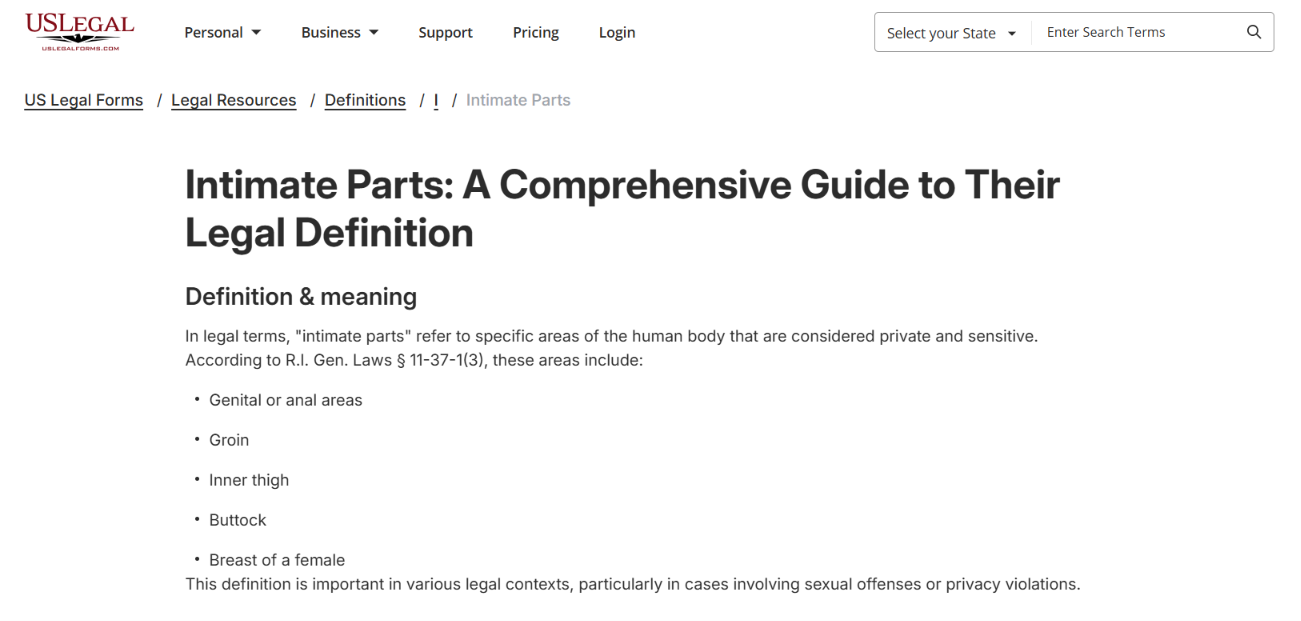
How Does This Apply to Foot Fetish Content?
In practice, consensual adult foot fetish content rarely meets the legal definition of obscenity. Photos or videos that simply focus on feet, even when created for an erotic or fetish audience, typically do not fall within the narrow category of material that US law considers legally obscene. As a result, adult foot content is generally lawful.
This is why you will not find legislation specifically declaring foot pictures to be legal or illegal. While people may debate whether foot content is art, adult entertainment or photography, those labels do not determine its legal status.
There are some areas of the law which might affect the legality of selling foot content, but these are legislated by broader laws outside of obscenity and online content.
04. Age Requirements, Consent and Copyright
Age Requirements
When reviewing the creator requirements across major feet content marketplaces, one thing was consistent: reputable platforms required age verification before creators could upload paid content, including FunWithFeet. This helps ensure that everyone using the platform is legally an adult. If a website allows anyone to upload paid content without verifying age, that is a good reason to be cautious.
Consent
Only sell content you have the legal right to distribute. If another person appears in your photos or videos, make sure they have consented to be included before you upload anything.
Consent isn't just good practice. It can also help prevent legal disputes later.
Copyright and Ownership
Copyright law applies to feet pictures just as it does to any other type of photo. That means you should only upload content that you created yourself or have permission to use. Before you upload, check that:
- ✓ You took the photos yourself.
- ✓ You own the copyright.
- ✓ Anyone else appearing in the content has given permission.
- ✓ You are allowed to sell the content on your chosen platform.
Using someone else's images without permission is not just unfair to the original creator. It can also lead to copyright claims, account bans and in some cases, legal action.
05. When Could Selling Feet Pics Become Illegal?
Selling feet pictures is not what gets people into legal trouble. The problem is usually the activity surrounding the sale.
Selling Content Involving Minors
This is illegal in virtually every country and carries severe criminal penalties. Every reputable platform requires creators to be legal adults and will normally ask for identification before allowing them to upload paid content.
Using Stolen Images
Selling photos you didn't create or have the licence for is copyright infringement.
Example
Imagine someone downloads another creator's gallery, uploads it under a different name and starts charging buyers for access. That is not legitimate content selling. It is theft.
Fraud or Impersonation
Being dishonest with buyers can also create legal problems. Examples include:
- - pretending to be another creator.
- - accepting payment and deliberately never delivering the promised content.
- - Selling fake "exclusive" photos copied from someone else.
- - misrepresenting what buyers will receive.
Honest communication builds trust and protects your reputation.
Breaking Platform Rules
This is where many new creators become confused.
Breaking a platform's rules doesn't necessarily mean you've broken the law, but the two are not mutually exclusive. An action that breaches a platform rule, could also be a legal offence too.
Most commonly, a site may prohibit certain types of content, direct payment requests, external links, promotional spam and specific hashtags or keywords. The result is usually an account warning, reduced visibility or suspension rather than legal action.
06. Is Selling Feet Pics Considered Adult Content?
Not necessarily. This is one of the areas where platform policies matter more than the law. A simple photo of your feet is not automatically considered adult content, but the way it is presented can affect how a platform classifies it.
For example, a portfolio of foot modelling photos may be treated differently from custom content clearly marketed towards a fetish audience.
Because every platform has its own moderation policies, it's worth checking the rules before you upload anything.
How Platforms May Classify Feet Content
07. Do You Have to Pay Taxes on Income From Feet Pics?
In many countries, yes. Many new creators assume that earning "a little extra money" online does not come with tax responsibilities. In many countries, that is not the case.
If you're earning money from selling feet pictures, that income is generally treated in the same way as income from any other type of freelance work or online businesses.
Exactly what you need to report depends on where you live, but it's sensible and safer to assume all of your earnings may be taxable rather than assuming they aren't.
At FunWithFeet
We always recommend treating your creator account like a small business from day one. It means you are tax compliant from the start and makes life much easier if your earnings grow over time.
Records Worth Keeping
08. Can Platforms Ban You for Selling Feet Pics?
Absolutely, yes. And this is where many new creators get caught out.
One of the biggest misconceptions is that if something is legal, every website has to allow it, which simply isn’t the case. Every platform has its own Terms of Service. Those rules are separate from the law, which means perfectly legal content can still result in an account suspension. The terms are usually built around a very thorough business model and legal framework for their specific platform, which means conditions can vary from one platform to another.
When you create an account on a particular platform, you're agreeing to follow its Terms of Service. If you break those rules, the platform can remove your content or suspend your account for breaching those terms, even if you've done nothing illegal.
Law vs Platform Rules
Common reasons creators lose accounts include:
- - repeatedly posting prohibited content.
- - trying to bypass the platform's payment system.
- - sending spam messages to potential buyers.
- - Misleading buyers about what they're purchasing.
- - Ignoring community guidelines after receiving warnings.
Before uploading your first photo, spend ten minutes reading the platform's policies. It's one of the easiest ways to avoid problems later.
09. How to Sell Feet Pics Safely and Legally
If you are planning to start selling feet pictures, a little preparation goes a long way.
Choose Reputable Platforms
A good platform should have:
- - Clear creator guidelines
- - Transparent fees
- - Secure payment systems
- - Identity verification
- - Active moderation and customer support
These features protect both buyers and creators and help create a safer marketplace.
Verify Your Identity When Required
- - Identity verification is a good sign, not an inconvenience or something to be suspicious of
- - It helps prevent fraud and keeps minors off the platform
- - Builds trust between creators and buyers
If a platform doesn't ask creators to verify their age or identity, we suggest you think carefully before using it.
Keep Records of Your Earnings
Even if you're only making occasional sales, keep a simple record of:
- - Payments received
- - Platform fees
- - Refunds
- - Business-related purchases
You'll thank yourself later if you ever need to review your finances or complete a tax return.
Protect Your Privacy
Selling feet pics legally doesn't mean you have to reveal your identity. Many creators choose to separate their personal and creator accounts to reduce the risk of unwanted contact.
- - Use a separate email address for your creator account
- - Avoid sharing identifying details in your photos
- - Keep communication with buyers on the platform where possible
Understand Your Local Laws
Although selling feet pics is legal in many places, laws aren't identical everywhere. They can vary not only between countries, but sometimes between states, provinces or other local jurisdictions.
Before you begin, make sure you understand:
- - The legal age requirements in your country
- - Your tax responsibilities
- - Any local regulations relating to online businesses
- - The rules of the platform you are using
10. Common Myths About Selling Feet Pics
The internet has no shortage of myths about selling feet pictures. Here are some of the most common.
"Selling feet pics is automatically illegal."
False. In many countries it's perfectly legal when done lawfully.
"You'll be arrested for selling feet photos."
Selling your own legal content isn't normally a criminal offence.
"Every platform bans feet content."
Policies vary. Some platforms welcome it, while others restrict it.
"You do not need to pay tax."
Many creators do have tax obligations, depending on where they live.
"It is impossible to make money legally."
Many creators earn legitimate income while following the law and platform rules.
The key is separating facts from internet rumours.
Most legal problems arise because someone breaks an existing law such as copyright infringement or fraud, not because they're selling photos of their own feet.
11. Final Verdict
The verdict
If you've been putting off selling feet pics because you thought it might be illegal, the law is probably less of a barrier than you think. The real challenge is choosing the right platform, understanding its rules and treating your earnings like any other online business. Do that, and you'll avoid the mistakes that cause most problems for new creators.
If there's one piece of advice we'd give at Fun With Feet, it's this: treat selling feet content like any other online business. Choose reputable platforms, protect your privacy, keep accurate records and understand the rules before you start. Taking that professional approach will help you avoid the mistakes that catch out many first-time creators.
12. Frequently Asked Questions
In many countries, yes. Selling original photos of your own feet is generally legal as long as everyone involved is a consenting adult, you own the content and you follow the relevant laws and platform policies.
Selling legal feet pictures is not normally a criminal offence.
People typically face legal consequences because of separate issues such as fraud, copyright infringement, tax offences or content involving minors that may arise as a result of using a platform, rather than because they're selling feet photos.
Often, yes.Income earned from selling feet pictures may be taxable, even if it's only a side hustle. The exact rules depend on where you live, so check the guidance from your local tax authority if you're unsure.
Yes. Social media platforms enforce their own Community Guidelines, which are separate from the law. Legal content can still be removed if it doesn't comply with a platform's policies.
Not automatically. Some platforms treat standard foot photography as general creator content, while others classify certain feet content differently depending on its context, marketing and intended audience.
No. Reputable platforms require creators to be legal adults and will usually verify their identity before allowing them to sell content.
The safest approach is to sell only original content that you own, use reputable platforms with clear creator policies, complete identity verification when required, protect your personal information, keep records of your earnings and understand your local legal and tax obligations before accepting payments.
AASECT certified sex therapist · American Board of Sexology Board approved sexologist
Dr. Candice Cooper-Lovett is a AASECT certified sex therapist and American Board of Sexology Board approved sexologist. She is also a consultant, writer, and AAMFT Clinical Fellow & Approved Supervisor and Sex Therapy supervisor in training.
Also worth reading
Does FeetFinder Show Up on a Background Check?
What employment background checks actually include and whether your FeetFinder account is at risk.
How to Sell Feet Pics Anonymously and Stay Safe
Practical steps to protect your identity while building a successful creator presence.
FeetFinder Review 2026: Can You Actually Make Money?
An honest look at FeetFinder's platform, earning potential, and whether it is worth it for new sellers.